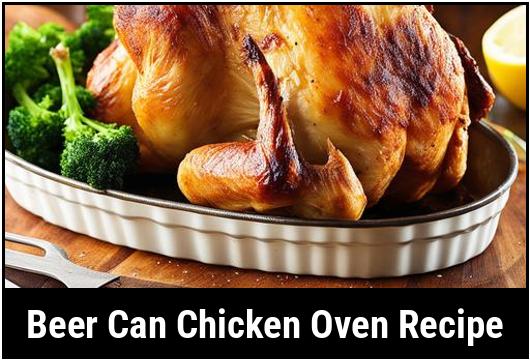
Unlock Juicy Perfection: The Beer Can Chicken Technique Explained
There are few culinary delights as satisfying as a perfectly roasted chicken: succulent, tender meat encased in gloriously crispy, golden-brown skin. While many methods promise this perfection, one stands out for its ingenious simplicity and consistent results: the beer can chicken technique. Often viewed as a whimsical grilling gimmick, this method is, in fact, a scientifically sound approach to achieving unbelievably juicy chicken from the inside out, paired with that coveted crispy exterior. Whether you're a seasoned grill master or just dipping your toes into the world of outdoor cooking, mastering beer can chicken will elevate your backyard barbecues and leave your guests clamoring for the recipe.
This comprehensive guide will demystify the art of beer can chicken, breaking down the science, the essential preparation, and the foolproof cooking steps to ensure your next bird is nothing short of perfection.
The Science Behind the Succulence: Why Beer Can Chicken Works
The magic of beer can chicken isn't just a happy accident; it's a brilliant combination of physics and clever cooking techniques. Understanding the core principles will help you appreciate why this method consistently delivers such stellar results.
The Power of Steam Infusion
At the heart of the beer can chicken technique lies the humble beer can, transformed into a personal steam generator for your poultry. As the chicken heats on the grill or in the oven, the liquid inside the can — typically beer, but sometimes broth or other beverages — begins to warm and then boil. This process creates a continuous stream of steam that rises directly into the chicken's cavity. This internal basting effect keeps the meat incredibly moist, preventing it from drying out, which is a common challenge with whole chicken roasts. The steam helps to break down muscle fibers, contributing to a more tender texture, and ensures the chicken cooks evenly from the inside, while the external heat works its magic on the skin.
While the beer itself doesn't significantly flavor the meat, the aromatic compounds within the beer contribute to a richer, more flavorful steam, subtly influencing the overall taste and fragrance of the finished dish. This is why many enthusiasts recommend fuller-bodied lagers or ales over lighter varieties; they offer a more robust steaming environment.
Vertical Roasting for Perfection
The vertical position of the chicken on the can is another critical component of the beer can chicken method. This upright stance isn't just for show; it promotes incredibly even cooking. Heat circulates more effectively around the entire bird, ensuring that all sides are exposed to consistent temperatures. Furthermore, this vertical orientation allows fat to naturally drip away from the chicken and into a drip pan below. This not only results in a healthier meal but, crucially, prevents the fat from pooling beneath the bird, which can lead to soggy skin. Instead, the skin is allowed to crisp up beautifully and uniformly, developing that irresistible golden-brown hue and satisfying crunch. The aluminum can acts as a stable and heat-conductive base, distributing heat evenly and ensuring the chicken stands tall throughout the cooking process.
Essential Prep & Setup for Your Best Beer Can Chicken
Achieving legendary beer can chicken starts long before it hits the heat. Proper selection and preparation are key to unlocking its full potential.
Choosing Your Bird and Brew
- The Chicken: Opt for a fresh, whole chicken weighing between 3.5 to 4.5 pounds. This size typically fits well over a standard 12-ounce beer can and cooks most evenly. Look for a bird with intact skin, as this helps to seal in moisture during cooking and contributes to better crisping.
- The Beer: While any standard 12-ounce can of beer will technically work, richer, fuller-bodied lagers, pilsners, or even certain ales are often preferred. They tend to have more robust aromatics that subtly infuse the chicken with flavor through the steam. Avoid "light" beers if possible, as their lower flavor profile provides less aromatic contribution. For those who prefer not to use alcohol, chicken broth, apple cider, or even a can of soda (like root beer for a sweeter glaze) can be excellent substitutes, offering the same steaming benefits. Remember to empty about a third of the can's contents – perhaps for the cook's enjoyment!
Crafting the Perfect Rub and Application
The seasoning blend is where much of your beer can chicken's external flavor will come from. While a simple salt, pepper, and garlic powder rub is a great start, don't hesitate to experiment!
- Basic Rub: Combine coarse salt, black pepper, smoked paprika, garlic powder, onion powder, and a touch of dried thyme or oregano.
- Flavor Variations:
- For a smoky kick, add chipotle powder or cumin.
- For an herbaceous touch, include dried rosemary and sage.
- For a bit of heat, a pinch of cayenne pepper works wonders.
- Application: Before applying your rub, pat the chicken thoroughly dry with paper towels – this is crucial for crispy skin. Then, generously coat the entire bird with a thin layer of olive oil or melted butter. This not only helps the rub adhere beautifully but also promotes a richer, crispier skin development during cooking. Apply your chosen rub evenly, making sure to get into all the nooks and crannies.
Setting Up Your Grill for Success
Whether you're using a charcoal or gas grill, indirect heat is absolutely essential for perfectly cooked beer can chicken.
- Charcoal Grills: Bank your hot coals to the sides of the grill, creating an empty space in the center. This is where your chicken will sit.
- Gas Grills: Turn on only the outer burners to medium-high heat, leaving the center burner(s) off. The chicken will be placed directly over the unlit burners.
- The Drip Pan: Crucially, place a disposable aluminum drip pan directly underneath where the chicken will sit (in the center, over the unlit area). This pan will catch all the rendered fat and juices, preventing flare-ups that can char your chicken and create bitter smoke. It also keeps your grill cleaner!
For those without a grill, beer can chicken can also be masterfully cooked in an oven. Simply preheat your oven to the target temperature and place the chicken in the same vertical position on a roasting pan with a rack, allowing for air circulation and fat drainage.
Mastering the Cook: Temperature, Time, and Safety
Once your chicken is prepped and your grill is set, it's time to bring your beer can chicken to life. Precision in temperature and timing, along with vital safety considerations, will ensure a flawless outcome.
Achieving Optimal Cooking Temperatures
Maintaining a consistent internal grill temperature of 350-375°F (175-190°C) is paramount for succulent meat and crispy skin. This temperature range allows the chicken to cook through evenly without drying out, while also providing enough heat to crisp the skin to perfection. Use a reliable grill thermometer to monitor the ambient temperature, and resist the urge to peek too often – every time you lift the lid, heat escapes, extending your cooking time and potentially affecting the crispness of the skin.
Carefully position your prepared chicken over the beer can, ensuring it stands stably. The chicken's legs, spread out, should form a sturdy tripod with the can, keeping the bird upright throughout the cook. Place the chicken directly over the drip pan in the indirect heat zone.
Knowing When It's Done (and Resting)
The total cooking time for beer can chicken typically ranges from 1.5 to 2 hours, depending on the chicken's size and the consistency of your grill's temperature. However, time is merely a guide; the true indicator of doneness is internal temperature. Insert a reliable meat thermometer into the thickest part of the thigh (without touching bone) and the thickest part of the breast. The chicken is perfectly cooked when:
- The breast reaches an internal temperature of 165°F (74°C).
- The thigh reaches an internal temperature of 180°F (82°C) (the darker meat benefits from a slightly higher temperature for optimal tenderness).
Once your chicken reaches these temperatures, carefully remove it from the grill. This is a critical juncture where many make a mistake: cutting into the chicken immediately. Instead, place the chicken, still on its can, on a cutting board or platter and allow it to rest for 10-15 minutes. This resting period is non-negotiable. It allows the juices, which have migrated to the center of the bird during cooking, to redistribute throughout the meat, resulting in an even juicier, more tender final product. It also gives the hot can a chance to cool down slightly, making it safer to handle.
Safety First with Hot Cans
While the beer can chicken technique is safe and enjoyable, handling the hot can requires extreme caution. The contents of the can will be scalding hot, and any spills can cause severe burns.
- Always use a drip pan: This prevents fat from dripping onto hot coals or burners, which can cause dangerous flare-ups and ruin your chicken with acrid smoke.
- Exercise extreme care when removing: After the resting period, use thick, heat-resistant grilling gloves or sturdy tongs to carefully lift the chicken off the can. Some prefer to use a specific beer can chicken stand for added stability and easier removal.
- Safely discard the can: The can and its contents will still be very hot. Let it cool completely before attempting to dispose of it.
Tips for Elevating Your Beer Can Chicken Experience
With the fundamentals mastered, here are some additional tips to truly make your beer can chicken a showstopper:
- Brine for Extra Insurance: For the ultimate juicy chicken, consider brining your bird for 4-6 hours (or even overnight) before applying the rub. A simple brine of water, salt, sugar, and aromatics will infuse extra moisture and flavor into the meat, acting as a foolproof safety net against dryness.
- Aromatic Additions: Before placing the chicken on the can, consider stuffing extra aromatics into the cavity alongside the can. Halved lemons, garlic cloves, onion wedges, or fresh herbs like rosemary and thyme will contribute a wonderful fragrance and subtle flavor to the steaming process.
- Smoky Enhancements: If you're using a charcoal or gas grill, add a handful of wood chips (soaked for 30 minutes) to the coals or in a smoker box over a burner for an incredible smoky depth of flavor. Hickory, apple, or cherry wood chips pair wonderfully with chicken.
- Creative Can Contents: Don't limit yourself to just beer. Experiment with different beverages. A can of ginger ale can add a subtle sweetness, while chicken broth fortified with herbs can provide a savory base. For more inspiration on crafting the perfect bird, explore guides like Master Beer Can Chicken: Juicy Meat & Crispy Skin Every Time.
- Sauce It Up: While the chicken is resting, you can quickly warm up your favorite BBQ sauce to serve on the side or brush it on during the last 10-15 minutes of cooking for a beautiful glaze (be careful not to burn it!).
- Masterful Carving: Once rested, carefully remove the chicken from the can. To carve, first remove the legs and thighs, then slice the breast meat from the bone. The vertical roasting method often makes the meat incredibly tender and easy to carve. For more detailed instructions to achieve consistent success, refer to resources like Foolproof Beer Can Chicken: Achieve Juicy Meat & Golden Crispy Skin.
The beer can chicken method is far more than a novelty; it's a testament to how simple techniques can yield extraordinary results. With its unique approach to internal steaming and vertical roasting, it consistently delivers a chicken that is supremely juicy, intensely flavorful, and crowned with perfectly crispy skin. By following these detailed steps, understanding the underlying principles, and adding your own creative flair, you'll soon be unlocking a new level of culinary perfection in your outdoor cooking repertoire. So, grab a bird, crack open a can, and prepare to impress with the ultimate beer can chicken!
